Why Orthodontist Recommends Frequent Visits During Treatment
Wiki Article
What to Expect Throughout Your Very First Visit With an Orthodontist
Visiting an orthodontist for the very first time can be a turning point in dental care. Clients typically come across an organized procedure that consists of examinations, conversations, and therapy preparation. From submitting needed types to going through analysis imaging, each action is developed to tailor like private requirements. Understanding this process can assist ease any worries. What takes place next may form the program of treatment and total oral wellness, making it vital to understand what to anticipate.What to Give Your Visit
When going to the initial appointment with an orthodontist, it is vital to come ready. Clients ought to bring a listing of any medications they are presently taking, including does, as this info is essential for the orthodontist's evaluation. In addition, it is a good idea to have insurance policy info readily offered, together with any kind of recommendations from a general dental professional. New patients need to likewise bring a legitimate kind of recognition, such as a copyright or insurance coverage card. Lastly, recording any type of certain worries or concerns beforehand can assist ensure a productive conversation during the visit, establishing the phase for a favorable orthodontic experience.
The Initial Introduction and Check-In Process
Upon reaching the orthodontic workplace, patients usually check in at the function workdesk. A staff member greets them warmly, commonly asking for their name and confirming visit information. Individuals might be required to fill up out forms regarding their medical background and insurance coverage details. This initial interaction establishes a welcoming tone, aiding to ease any type of nerves. When examined in, patients may be guided to a waiting location until their appointment begins. During this time around, the team guarantees a comfy atmosphere, often offering magazines or home entertainment alternatives to help kill time before the orthodontic assessment.
The Orthodontic Examination
Throughout the orthodontic assessment, the professional performs a preliminary analysis to assess the person's facial and dental structure. This procedure often consists of taking X-rays and imaging to obtain a comprehensive sight of the teeth and jaw positioning. These crucial actions assist the orthodontist create an effective therapy strategy customized to the person's requirements.First Analysis Process
As the client gets in the orthodontist's workplace, the initial assessment procedure starts with an in-depth examination designed to assess the placement of teeth and the total dental structure. The orthodontist thoroughly examines the teeth for crowding, spacing, and bite disparities. Additionally, they assess the jaw's position and any potential functional issues. The orthodontist might also ask about the client's oral history, consisting of existing issues and previous treatments. This extensive examination aids in identifying one of the most suitable therapy plan tailored to the patient's details requirements. Establishing a clear understanding of the person's oral health is important for effective orthodontic treatment.X-rays and Imaging
Complying with the first analysis, X-rays and imaging play an important duty in the orthodontic assessment. These diagnostic tools enable the orthodontist to picture the underlying structures of the jaws and teeth, aiding in the identification of problems not noticeable during a physical evaluation. Typical imaging methods include scenic X-rays and cephalometric radiographs, which supply comprehensive sights of skeletal and oral partnerships - Orthodontics. This information assists the orthodontist develop a customized therapy plan. In addition, digital scans might be made use of to create 3D designs of the patient's teeth, improving treatment accuracy and performance. Overall, these imaging techniques are necessary for reliable orthodontic treatmentAnalysis Records and Imaging
Before formulating a therapy strategy, orthodontists depend on thorough diagnostic records and imaging to analyze a patient's dental wellness and positioning. This process commonly includes getting in-depth photos of the teeth and face, in addition to dimensions of the oral arch and bite. Furthermore, orthodontists might make use of electronic scans or impressions to create precise representations of the individual's mouth. These diagnostic records help determine certain positioning problems and help in preparing reliable treatment strategies. By thoroughly assessing this info, orthodontists can ensure a customized method that addresses individual needs and promotes optimal results for every person.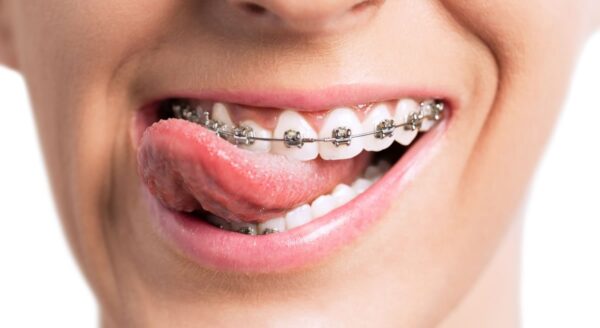
Conversation of Treatment Alternatives
During the conversation of treatment options, the orthodontist offers different kinds of dental braces and clear aligners customized to the person's demands. Factors affecting treatment duration, such as the severity of the instance and patient conformity, are additionally attended to. Cumming GA Orthodontics. This interesting discussion assists establish practical assumptions for use this link the orthodontic journey in advanceSorts of Braces
Dental braces come in numerous kinds, each developed to address certain orthodontic needs and individual choices. Conventional metal braces are the most typical, using stainless steel braces and wires for effective tooth activity. Ceramic braces use an extra very discreet choice, making use of tooth-colored materials that mix with the teeth. Lingual braces are put on the rear of the teeth, making them basically unnoticeable. Self-ligating braces simplify the modification procedure, decreasing the regularity of check outs. For those looking for comfort, clear plastic braces provide a much less obvious option. Each type of brace has one-of-a-kind benefits, allowing orthodontists to customize therapy to individual requirements.Clear Aligners Explained
Clear aligners stand for a contemporary alternative to conventional dental braces, appealing to those who focus on aesthetic appeals and comfort in their orthodontic treatment. These personalized, clear trays slowly change teeth right into the wanted placement, using a discreet choice for both teenagers and adults. Patients commonly get a series of aligners, each put on for about two weeks before switching over to the next in the sequence. Clear aligners are detachable, permitting simpler maintenance of dental health and adaptability throughout dishes. However, effective treatment needs person conformity in using the aligners for the recommended 20 to 22 hours daily to accomplish best results.Therapy Period Elements
Numerous aspects influence the period of orthodontic treatment, impacting just how long people will certainly need to use their braces or aligners. The intricacy of the situation is necessary; extreme misalignment commonly requires longer therapy than moderate instances. Client age additionally contributes, as younger clients might experience much faster change periods. Compliance with the orthodontist's guidelines, including using home appliances as routed, straight affects treatment period. Furthermore, the type of orthodontic tool-- conventional braces versus clear aligners-- can result in variants in time required. Regular follow-up visits and the body's reaction to therapy more impact the general timeline for accomplishing desired outcomes.Answering Your Inquiries
What should one anticipate throughout their very first check out to an orthodontist? Throughout this consultation, the orthodontist will certainly take some time to resolve any kind of questions or concerns the individual might have. This is an opportunity to gain clarity on the therapy process, including options anticipated and readily available results. The orthodontist urges patients to inquire about the period of therapy, possible pain, and treatment guidelines. Additionally, they might clarify the relevance of keeping oral health throughout the orthodontic procedure. In general, this session aims to assure the client feels informed and comfortable moving forward with their orthodontic journey.Next Actions and Scheduling Follow-Up Appointments
After the initial consultation, the orthodontist will describe the following steps in the therapy process, including the scheduling of follow-up consultations. Generally, these consultations will certainly be spaced every 4 to 6 weeks, allowing the orthodontist to check development and make needed adjustments. Clients will certainly get a treatment plan describing the duration and objectives of their orthodontic trip. It is critical for individuals to abide by the schedule to guarantee optimal results. In addition, the orthodontist may supply directions on treatment and maintenance, which need to be complied with faithfully between visits to promote reliable treatment and maintain oral wellness.Often Asked Inquiries
How Long Will My First Consultation Typically Last?
Normally, an initial visit with an orthodontist lasts in between 30 to 60 mins. This period allows for a thorough assessment, conversation of therapy options, and dealing with any type of questions or issues the individual may have.Can I Bring a Relative or Buddy for Assistance?
Yes, clients can bring a relative or buddy for assistance during their consultation. This can help relieve anxiety and provide comfort, allowing patients to really feel extra kicked back and participated in their orthodontic assessment.Will I Experience Any Kind Of Pain Throughout the Examination?
During the exam, discomfort is typically very little. A lot of individuals report slight stress or sensitivity, especially if changes are essential. In general, the experience is workable, and any pain typically subsides quickly after the consultation wraps up.Exist Age Restrictions for Starting Orthodontic Treatment?
There are no rigorous age restrictions for starting orthodontic therapy. Very early examinations are valuable, typically around age 7, permitting for prompt intervention - Cumming GA Orthodontics. Treatment can efficiently happen at any type of age, depending on specific oral demandsSuppose I Have Dental Stress And Anxiety or Worry?

Individuals experiencing dental anxiety or fear might take advantage of discussing their worry about the orthodontist - Orthodontics. Several techniques supply calming methods, sedation options, or encouraging settings to assist patients really feel a lot more comfortable throughout therapy
The orthodontist might additionally ask regarding the individual's dental background, including previous therapies and present concerns. Before formulating a treatment strategy, orthodontists count on complete analysis documents and imaging to evaluate a person's oral health and wellness and alignment. During the conversation of therapy options, the orthodontist offers different kinds of braces and clear aligners customized to the patient's needs. Person age likewise plays a duty, as younger individuals may experience faster change durations. The orthodontist encourages patients to ask concerning the duration of treatment, possible pain, and care directions.
Report this wiki page